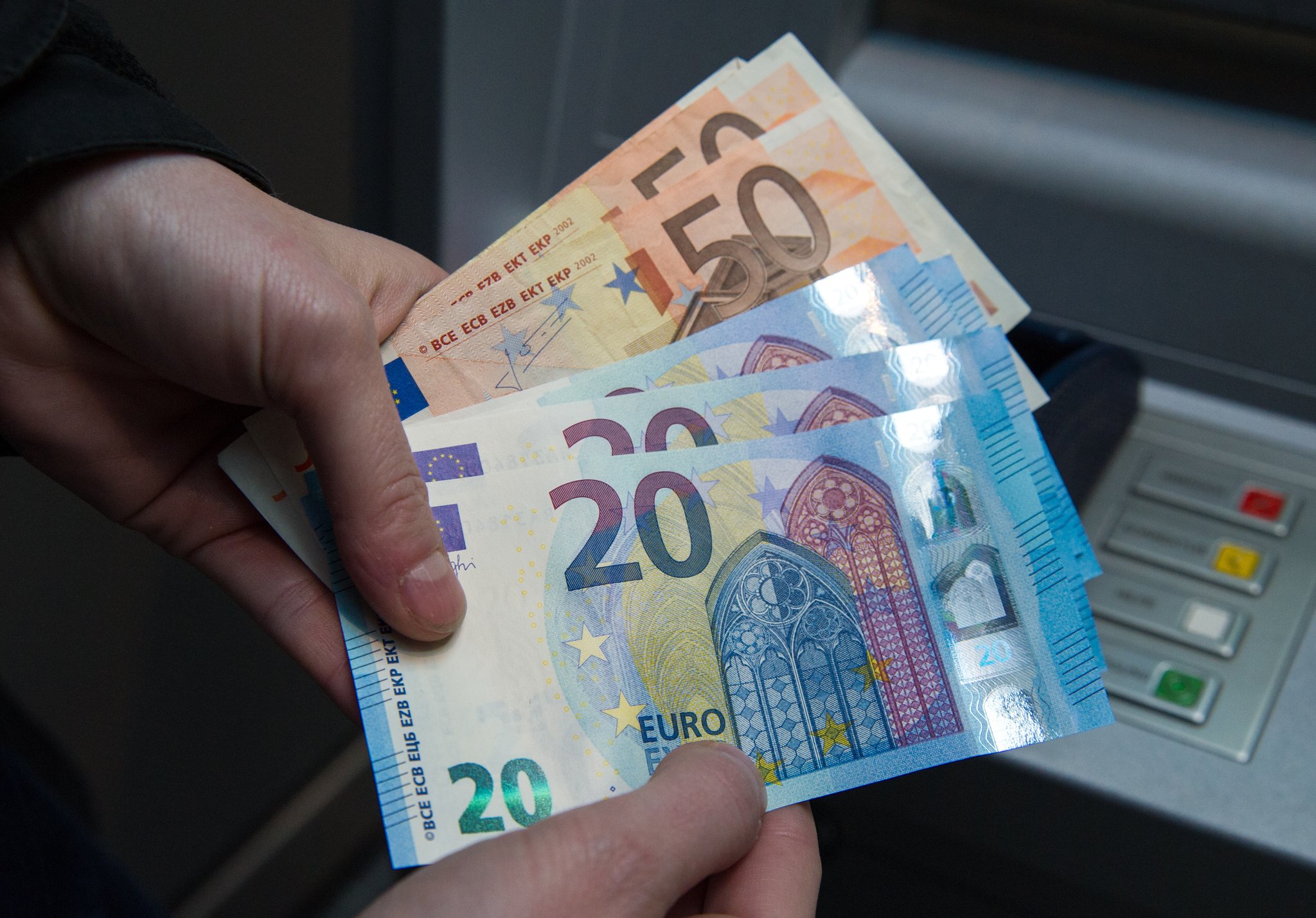
Understanding the Implications of Ordering Counterfeit Money
In the last few years, the expansion of online marketplaces, dark web forums, and different digital platforms has actually offered rise to substantial issues relating to counterfeit money. Order counterfeit money is a phrase that has actually gained attention both for its illegal nature and the prospective effects for people who may consider participating in such activities. As innovation has advanced, so too have the abilities of counterfeiters, making it significantly important for individuals to understand the dangers related to counterfeit currency.
What is Counterfeit Money?
Counterfeit money refers to coins, banknotes, or currency that are produced without the legal sanction of the federal government and are meant to be utilized as if they were authentic. Counterfeiters might employ a range of approaches to recreate currency, including high-quality printing methods, sophisticated graphic design, and using unique inks and paper that imitate the feel and look of genuine money. While some counterfeit money can be rather convincing, professionals in the field of currency detection and police have developed approaches to identify fakes.
The Efficiency of Modern Counterfeiting
Counterfeiters continue to progress their methods, especially as technology establishes. Today, the increase of 3D printing, advanced graphic design software application, and online markets develops an environment ripe for counterfeit production. Regrettably, individuals attempting to order counterfeit money frequently underestimate the risks included, including legal effects and possible financial loss.
The Legal Ramifications of Ordering Counterfeit Money
It is important to comprehend that buying counterfeit money is unlawful in many jurisdictions all over the world. The legal ramifications can be extreme, including:
- Criminal Charges: Engaging in the production, circulation, or use of counterfeit currency is a criminal offense. People captured in belongings of counterfeit money may face felony charges, causing considerable fines and potential imprisonment.
- Civil Liabilities: In addition to criminal charges, individuals might also face civil claims from entities that suffer a monetary loss due to counterfeit activity. These legal battles can be costly and destructive to one's personal and monetary reputation.
- Loss of Credibility: Associating with illegal activities can lead to a damaged credibility, impacting relationships, career potential customers, and general personal and professional reliability.
The Impact on the Economy
Counterfeit currency not just affects specific victims but likewise postures a threat to the general economy. The existence of fake money can lead to:
- Inflation: The increase of counterfeit money into the economy can decrease the general value of genuine currency and contribute to inflation.
- Loss of Trust: Widespread counterfeiting damages public self-confidence in the currency system, making both customers and organizations wary of deals.
- Economic Drain: Law enforcement and banks invest substantial resources in combating counterfeiting, resulting in financial inefficiencies and increased costs for organizations that may ultimately be passed on to consumers.
Recognizing Counterfeit Money
Understanding how to determine counterfeit money is essential for consumers, organizations, and monetary organizations alike. Counterfeit detection can conserve individuals from ending up being victims of scams. Here are some common characteristics to try to find:
- Watermark: Genuine currency frequently includes a distinctive watermark that shows up when held up to the light.
- Texture: Real banknotes are printed on special paper that has an unique texture and feel.
- Color-Changing Ink: Many genuine banknotes have ink that alters color when tilted.
- Microprinting: Genuine currency generally includes small text that is tough to reproduce properly.
- Security Threads: Embedded security threads can be seen when the bill is held up to the light.
By ending up being acquainted with these security functions, individuals can better protect themselves versus counterfeit money.
FAQs about Counterfeit Money
What should I do if I receive counterfeit money?
If you get believed counterfeit money, do not try to pass it along. Rather, report it to your local law enforcement agency or the Secret Service in the United States. They have procedures in place for handling counterfeit currency.
Can I get in problem if I unknowingly accept counterfeit money?
Yes, although intent is typically an aspect in legal matters, remaining in belongings of counterfeit currency may still cause possible legal ramifications. It's always best to validate currency before accepting it, specifically in unpredictable circumstances.
How can businesses safeguard themselves from counterfeit money?
Businesses can invest in counterfeit detection tools, carry out worker training on recognizing fake money, and embrace rigorous cash handling procedures to minimize the risk of receiving counterfeit notes.
Is ordering counterfeit money safe in any method?
No, purchasing counterfeit money is unlawful and carries substantial risks, consisting of arrest, financial loss, and legal repercussions. It is never ever a safe or suggested action.
The temptation to order counterfeit money may develop from frustrations with monetary circumstances or economic difficulties, but it is a risky course with severe consequences. Both individuals and organizations should stay watchful against the hazard of counterfeit currency, recognizing the significance of sticking to the law and promoting an honest economic environment. Comprehending Falschgeld Im Darknet Kaufen of counterfeit money, the legal implications of engaging with it, and the larger ramifications for the economy at big is crucial for protecting oneself and fostering a more protected monetary future.